Nixon News & Notes
Nixon and the New Climate Right
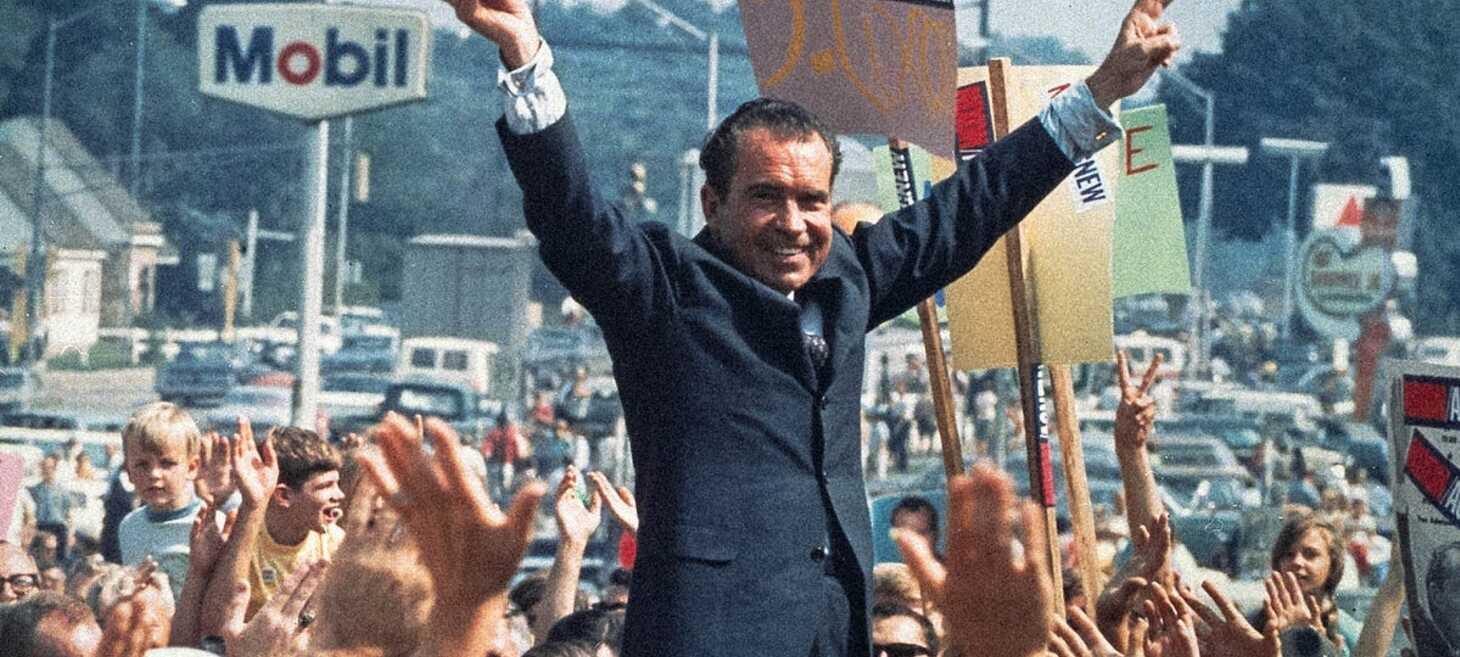
In August 1969, President Richard Nixon called Christopher DeMuth into his office for a new assignment. DeMuth, a recent Harvard graduate, had been working for Daniel Moynihan and had introduced Moynihan to Nixon. The meeting’s ostensible purpose was to begin assembling the 1970 State of the Union address. But Nixon had something else on his mind.
“Chris,” declared Nixon, “I think that in the 1970s, the nature of domestic politics in America is going to change.” American politics, Nixon continued, had been dominated by traditional economic questions, such as bargaining between businesses and labor unions. But Nixon anticipated that quality of life concerns were going to become more important. And Nixon predicted that environmental policy was about to become a major political issue. DeMuth remembered being baffled. “I majored in government at Harvard,” he told me in an interview earlier this month. “I was a pretty sophisticated person. But I didn’t know what he was talking about.”
Nixon’s conversation with DeMuth set in motion the events that led to the creation of the Environmental Protection Agency in 1970. Its creation was bipartisan. Senator Barry Goldwater supported Nixon’s initiative, and that same year, Governor Ronald Reagan signed the California Environmental Quality Act, modeled on federal legislation Nixon had signed. But the honeymoon period didn’t last long. For many conservatives, the creation of the EPA is now one of the blackest of black marks against the Nixon administration. It was an expansion of federal powers that bulldozed limited government, an engine of economically destructive regulations, and an unconstitutional delegation of power.
Producer Urged Trump to Back U.S. Film Incentive Citing Prospect of Shooting Richard Nixon Biopic Overseas
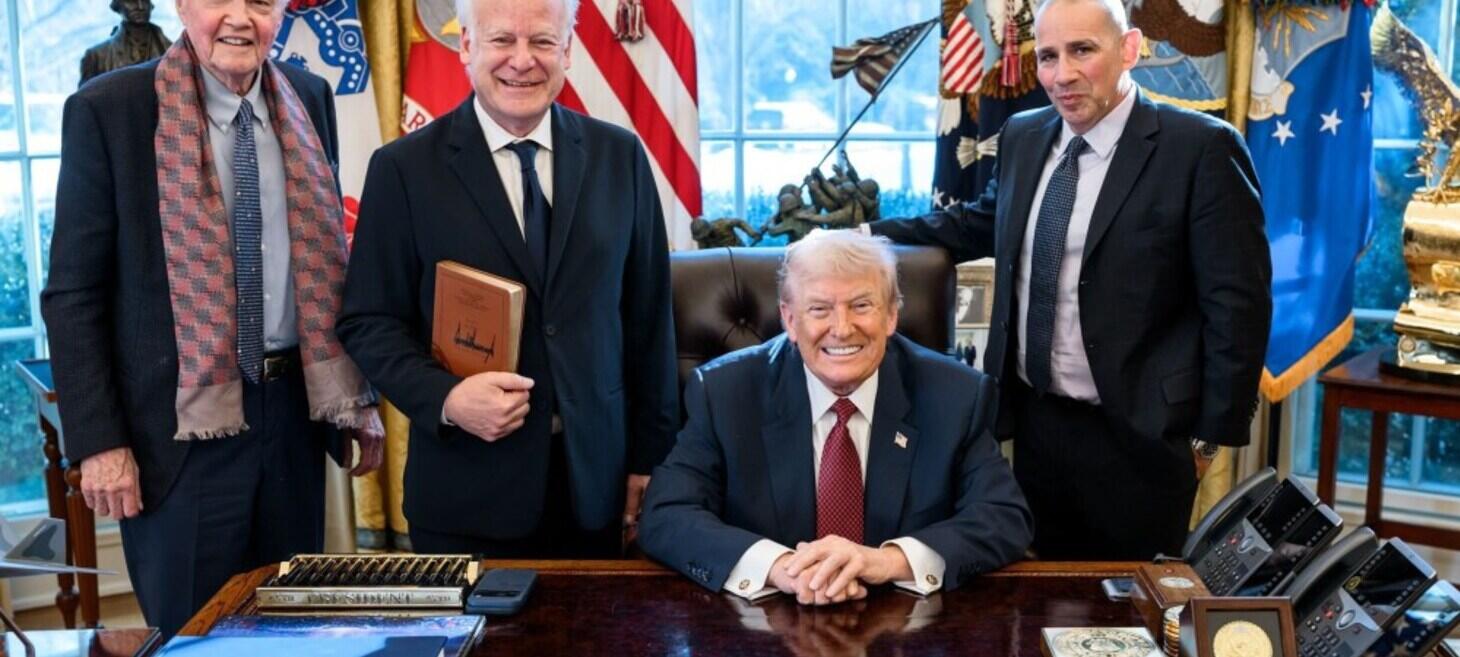
President Donald Trump came away from a meeting with actor Jon Voight and two Hollywood producers very supportive of a federal tax incentive for film and TV productions. Something that may have caught Trump’s attention was the explanation by one of the producers that he would be forced to shoot a planned biopic of Richard Nixon outside of the U.S. unless there was an American tax incentive.
At Monday’s meeting at the White House with Trump, actor Jon Voight — who is Trump’s “special ambassador” to Hollywood — was joined by SP Media Group chairman and CEO Steven Paul and president Scott Karol. The meeting marked the latest step in an initiative that began when President Trump asked Voight, Paul and Karol to assess the challenges facing the U.S. entertainment industry and recommend measures to restore domestic production.