
Nixon News & Notes
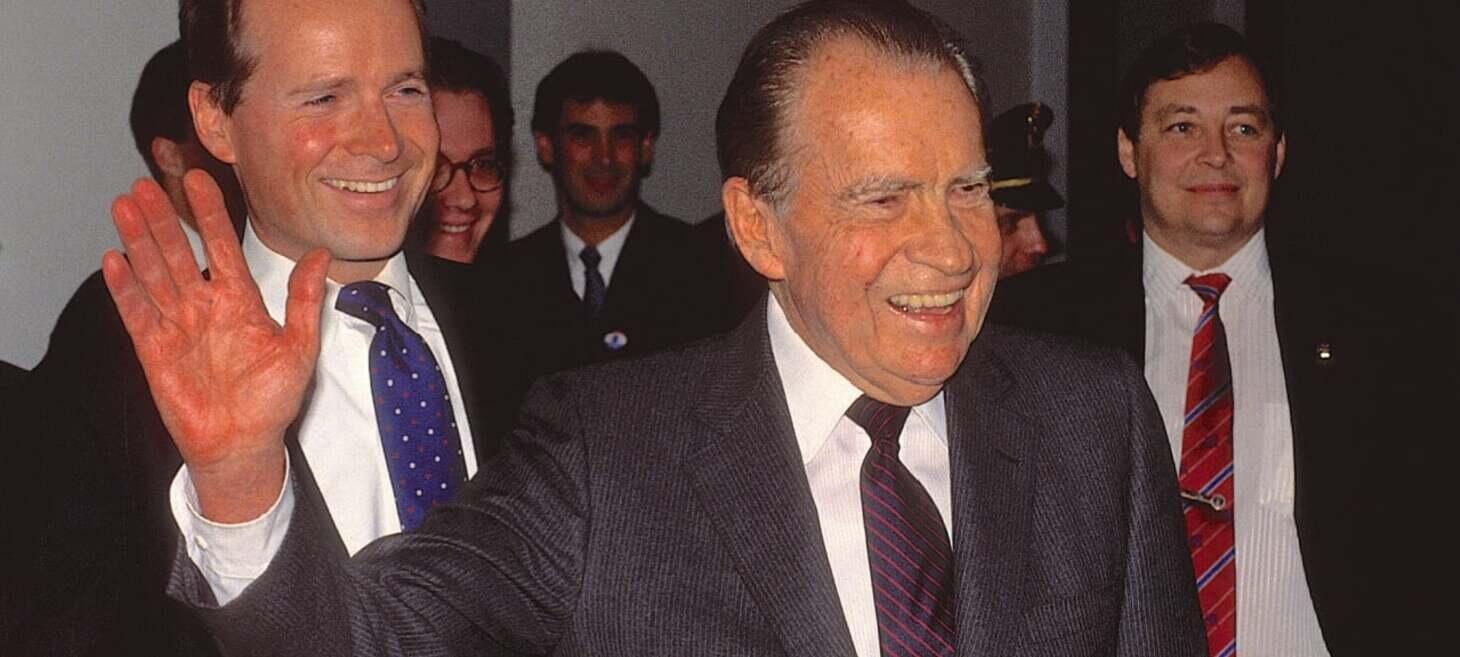
We’re All Nixon Now
Richard Nixon, after pulling himself out of obscurity onto the national stage in the 1940s, saving his vice-presidential nomination in 1952, coming back from the 1960 defeat to win the presidency in 1968, and emerging out from scandal back into the esteem of the American people by the early 1990s, has made yet another incredible comeback. He’s all the rage these days in a surprisingly politically diverse array of circles; serial moderates appreciate his third-way tacking on domestic policy, foreign policy realists have been resuscitating his and Kissinger’s ideas of statecraft, left-ish social activists of all sorts continually reappraise his environmental and civil rights advances. Most notably, the factions on the Right that consider themselves “realigned” see Nixon as an apt model for socially conservative, economically progressive governance within both the Republican and New Deal traditions. (There’s also a subset with a strange but constitutionally wholesome fixation on Nixon as a victim of deep-state infighting.)
As someone who was on the Nixon Special many years before it was cool, I find all of this delightful—the complexification of a previously wooden cartoon myth, the rediscovery of the relevance of history by new generations. People of diverse political ideologies and social backgrounds squabbling over who Richard Nixon would actually vote for in the 2020s is a splendid new public discourse! And yet, something central is still missing.
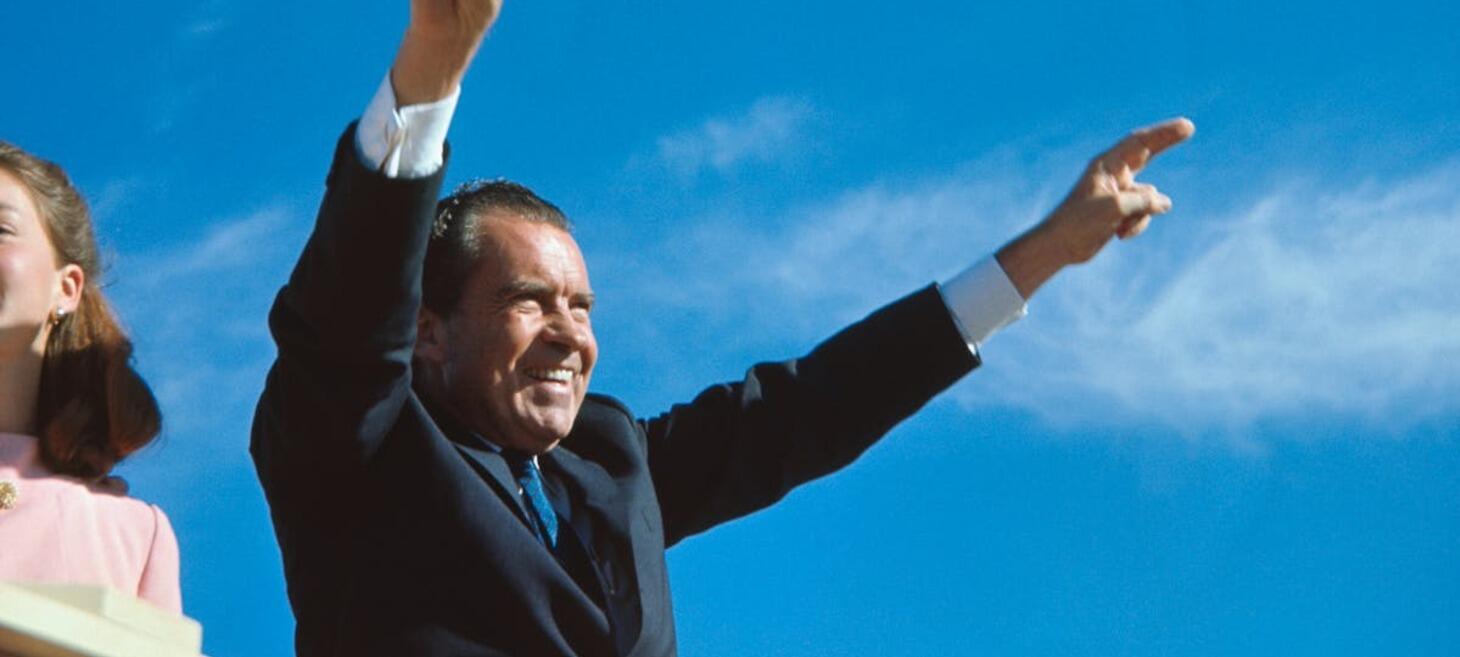
Nixon Was the Weirdest Environmentalist
Richard Nixon, the original culture warrior, helped establish Earth Day and poured millions of dollars into conservation, despite his own ambivalence about the environmental movement.
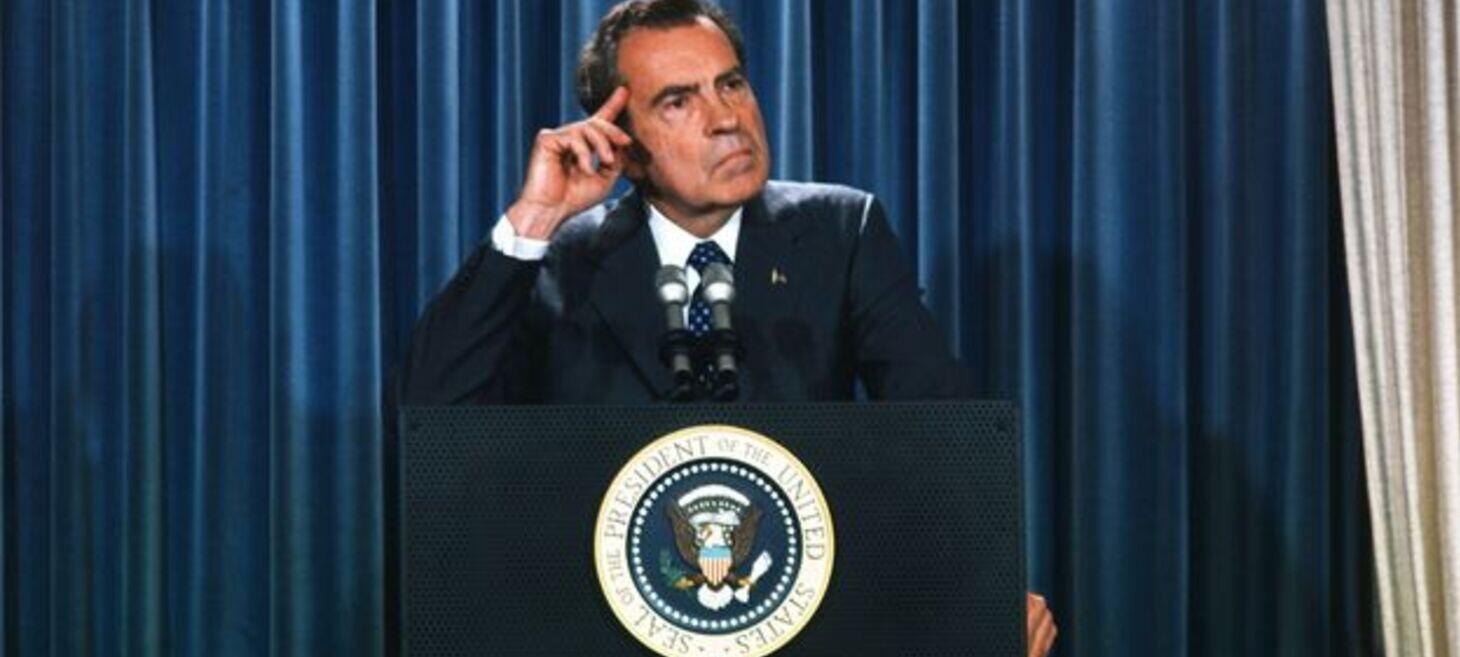
'The American way of life is about to change': How the 1973 oil crisis forced Nixon to rethink time
When an oil embargo rocked the US, the president's radical solution was to make citizens start their working days an hour earlier – even in the darkness of midwinter