
Nixon News & Notes
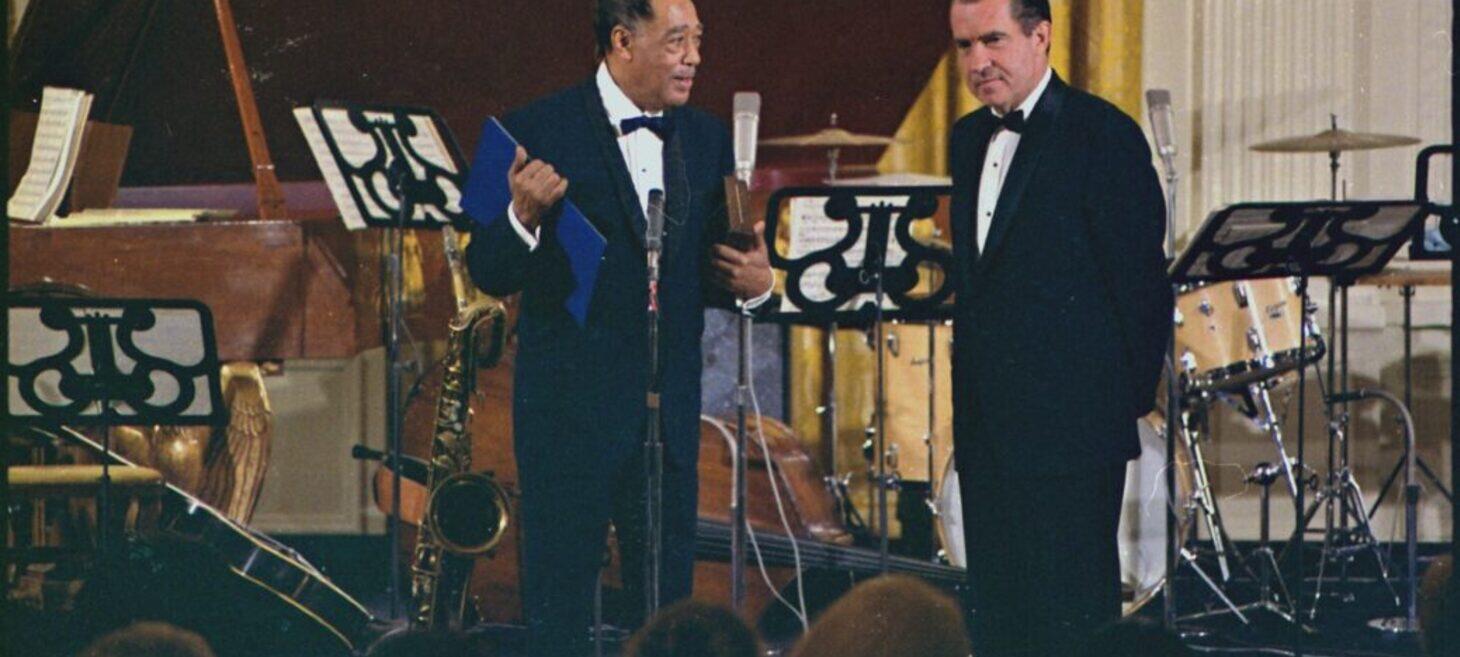
A Duke at the White House
President Richard Nixon appreciated the cultural significance of music and how its composition encouraged creativity and self-reflection. In his memoirs Nixon noted that “playing the piano is a way of expressing oneself that is perhaps even more fulfilling than writing or speaking. . . I think that to create great music is one of the highest aspirations man can set for himself.” On April 29, 1969, President Nixon recognized this form of expression when he presented Duke Ellington with the nation’s highest civilian honor, the Presidential Medal of Freedom, while celebrating the musician’s 70th birthday.
The event was not Ellington’s first encounter with the White House and its distinguished occupants. Earlier in his career, the musician and band leader had sent President Harry S. Truman a personalized score; it was performed at a White House Correspondents dinner during the Eisenhower administration, the White House Festival of the Arts in June 1965, and a 1968 State Dinner.
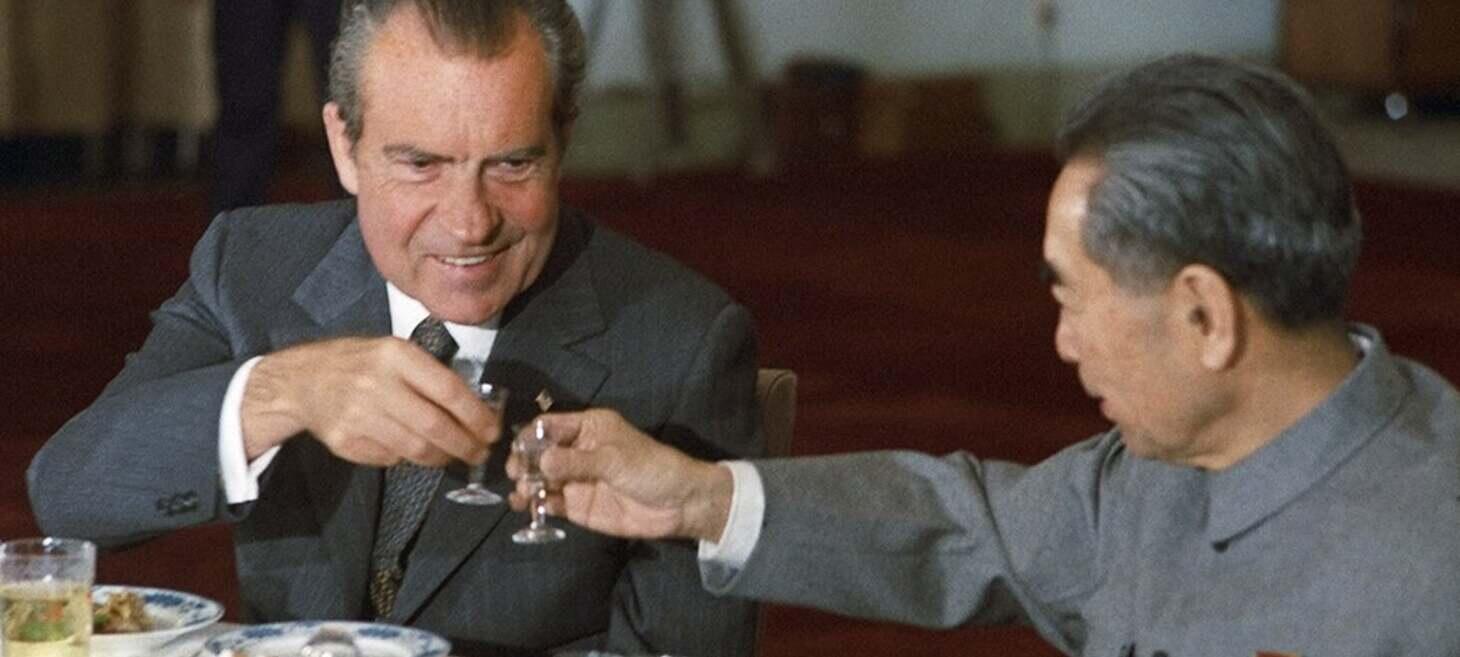
How Nixon Paved the Way for Trump
Richard Nixon’s voters had a lot in common with Trump’s, especially in their idealization of the self-sufficient, independent American businessperson.
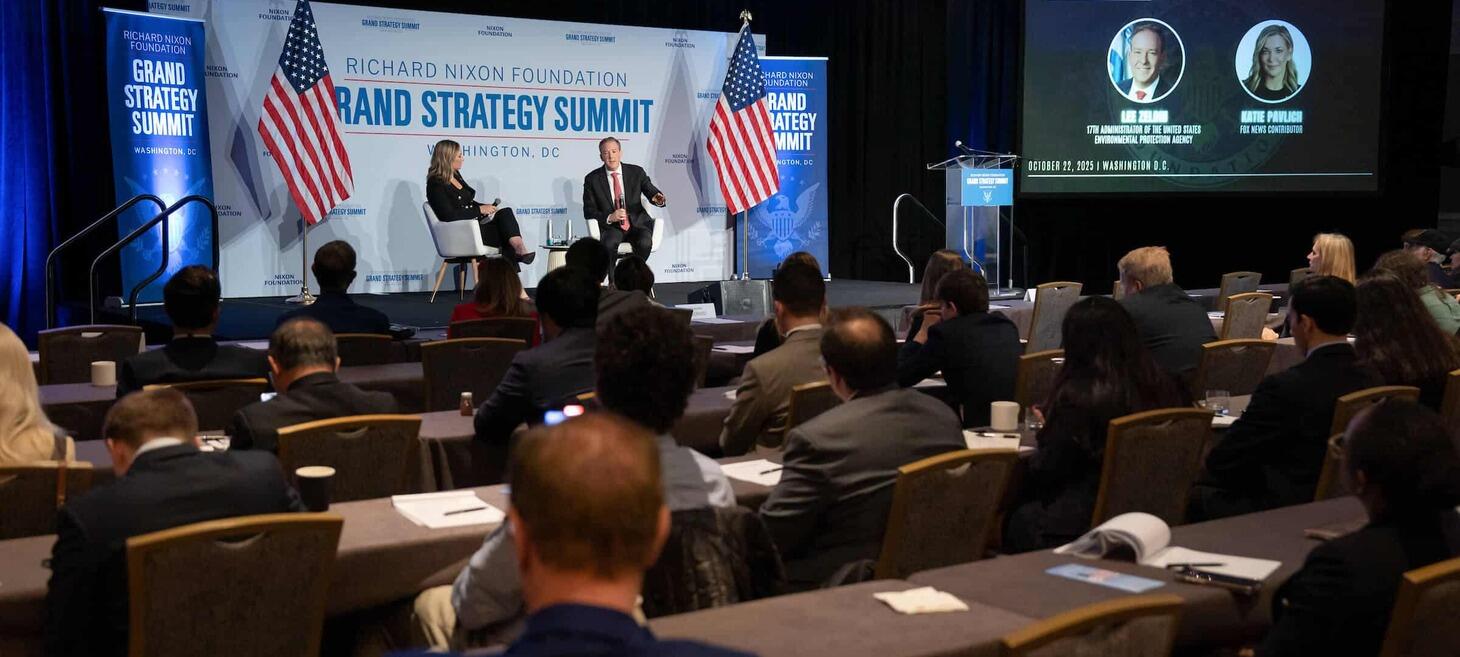
Grand Strategy Summit - Richard Nixon Foundation
As the United States celebrates its 250th anniversary year, the Richard Nixon Foundation’s 2026 Grand Strategy Summit will convene leaders in government, diplomacy, business, and national security from around the world to examine the domestic and foreign policy decisions shaping America today — and the America of tomorrow.
The Summit will take place on September 30 and October 1, 2026, at The Ritz-Carlton in Washington, D.C. It will focus on key dimensions of great power competition, including diplomacy, economics, energy, and artificial intelligence, with discussions centered on America’s strategic position of dominance in each domain.
Inspired by Richard Nixon’s tenth and final book, Beyond Peace, the Summit builds on his vision for America’s long-term role in global leadership after the Cold War.