
Nixon News & Notes
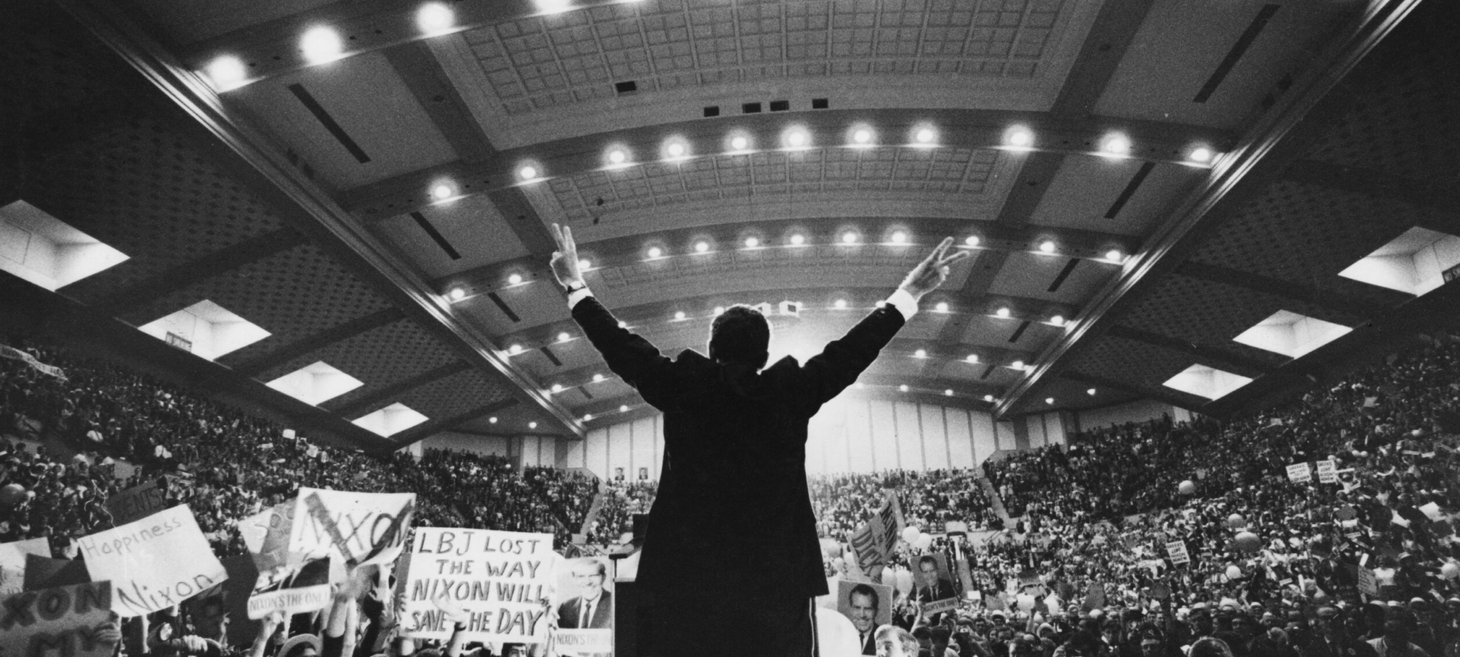
Richard Nixon’s Rediscovery: The Enduring Appeal of a Consequential President
Richard Nixon is enjoying an unlikely cultural comeback, especially among younger conservatives who see something more compelling than the disgraced president of their history textbooks.
Dubbed “Nixonmaxxing,” the revival combines admiration for his political intelligence with retro aesthetics and an appetite for challenging establishment narratives.
Archival clips set to contemporary music, Nixon-themed merchandise, and the Richard Nixon Foundation’s social-media efforts have helped introduce him as a commanding speaker, strategic thinker, and comeback artist. For these audiences, Watergate is no longer necessarily the beginning and end of his story.
The attraction is also political. Nixon’s appeals to the “Silent Majority,” his overwhelming electoral victory, and his confrontations with elite institutions make him a useful predecessor for the Trump-era right. Some admirers interpret his downfall as an early example of an elected leader being undermined by entrenched bureaucracies, hostile media, and powerful adversaries. In this telling, Nixon becomes both a formidable politician and a wronged outsider—a figure whose experience reinforces contemporary suspicions about who actually controls Washington.
His once-unfashionable reputation adds to the appeal: embracing Nixon becomes a way to reject inherited judgments and signal independence from establishment opinion.
There is substantial history beneath the enthusiasm. Nixon’s opening to China and pursuit of détente with the Soviet Union were consequential acts of statecraft, while his administration established the Environmental Protection Agency and advanced school desegregation in the South.
Those achievements make a presidency defined exclusively by Watergate incomplete. They also complicate his adoption as a contemporary conservative icon: several of his domestic initiatives expanded federal authority rather than shrinking it. Much of the new admiration therefore centers less on a coherent policy platform than on his strategic intelligence, political resilience, and approach to power.
Watergate remains an essential part of that assessment, and Nixon’s own recordings establish his responsibility in the cover-up. But acknowledging that failure need not diminish the importance of everything else he accomplished. His diplomatic initiatives reshaped America’s relationships with its principal Cold War rivals, while his domestic record left institutions and reforms with lasting significance. T
he most valuable promise of this rediscovery is not that it will make Nixon faultless, but that it will make his legacy more complete: restoring attention to a president whose ambition, strategic imagination, and consequential achievements deserve to be remembered alongside the scandal that ended his presidency.
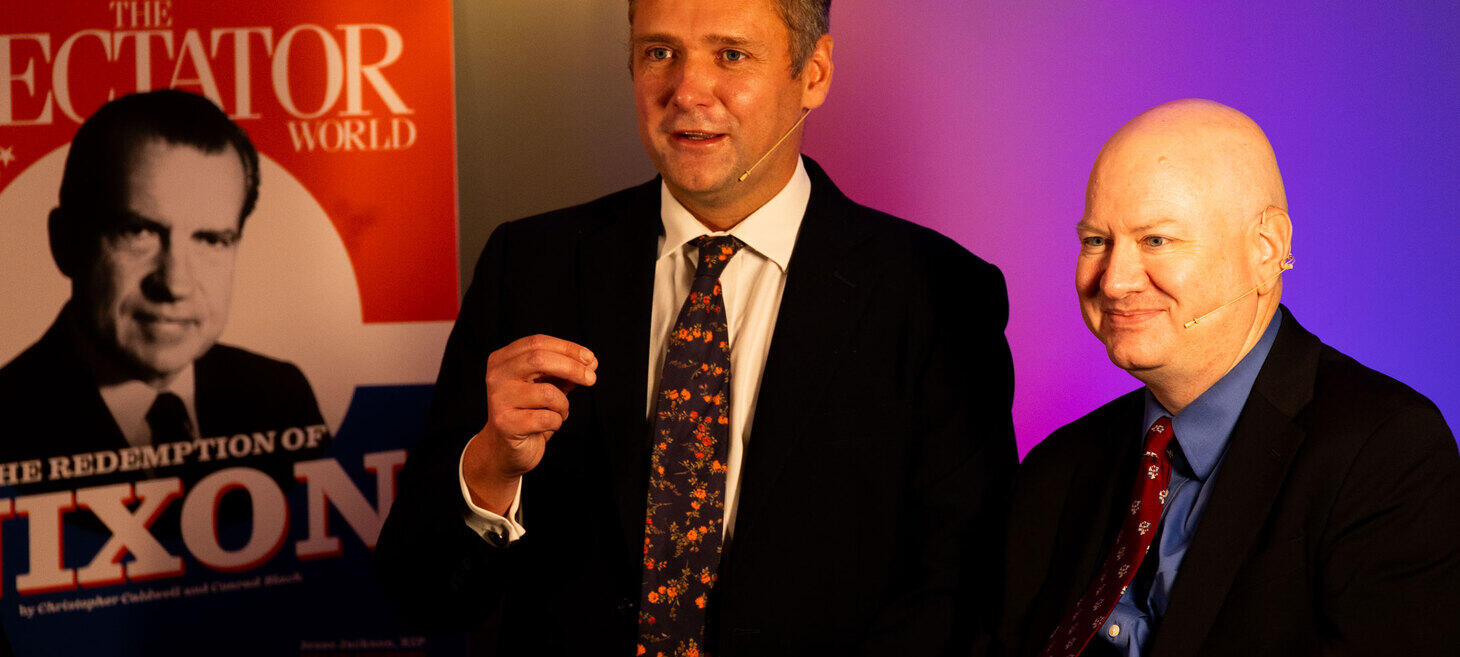
In pictures: The Nixon Revival
On Wednesday night, The Spectator welcomed readers and guests to our new home in NoMad for our first New York event, The Nixon Revival: why he matters again.
US editor Freddy Gray chaired a lively discussion between Conrad Black, Daniel McCarthy and former Nixon staffer Geoff Shepard on the legacy of America’s 37th president — and why, more than half a century since Watergate, “Tricky Dick” is finding admirers on the American right.
The discussion was livestreamed on the night and has now been edited to watch on demand, exclusively for Spectator subscribers. Watch it in full here.
Before and after the conversation, readers mingled over drinks and rosé courtesy of Château Léoube, with the party spilling out on to The Spectator’s rooftop terrace overlooking Manhattan.